The COP31 climate conference in Antalya, Türkiye, moved from its opening days to its leaders’ summit on Wednesday, Nov. 11, with one proposal drawing most of the debate: a 35-by-35 pledge to lift electricity’s share of the world’s final energy use. The COP31 Presidency, run by Türkiye with Australia leading the negotiations, describes the pledge in a release dated Nov. 10 as one that “aims to raise electricity’s share of final energy consumption from around 23% today to 35% by 2035” through electrifying transport, buildings and industry. COP31 President Murat Kurum said in the release, “We need the 35-by-35 target because until now electrification has not been underpinned by a clear global goal.” Al Jazeera, citing AFP and Reuters, calls the pledge non-binding.
The dispute centers on one clause. ABC News reports that the proposed wording does not require clean or renewable energy, saying instead that “electrification pathways and rates, including the use of clean electricity and technologies, will differ according to different starting points.” ABC says supporters call the target ambitious because it would require the world to electrify at four times the current pace, while skeptics argue that a shift partly built on fossil fuels would lock in their long-term use. ABC adds that “analysts estimate” a 35% share reached with clean energy alone could trim projected warming of at least 2.6C by 0.3C; it does not name the analysts, and the desk did not find their work. Al Jazeera reports that climate advocates have criticized the pledge on the same ground, and that Saudi Arabia and other oil and gas producers argue fossil fuels can remain a large part of the energy mix if paired with technology that cuts or captures emissions.
Backers of the pledge made their case in public. Bowen told ABC that Türkiye had set an “ambitious” target that “to some might not sound that much,” and he said the world stands at 23% now. The IEA’s executive director, Fatih Birol, said in the Presidency release that “electric technologies are often cost-competitive and can improve energy security for fuel importers,” and ABC News paraphrases him as saying the target would signal to markets that “electricity is the future” and that each country should have the choice of whether its pledge relies on clean energy alone. The release also lists support it describes as new: a Utilities for Net Zero Alliance commitment rising from $148 billion to $156 billion in yearly grid, renewables and storage investment, a coalition of more than 180 companies behind electrification, and an Electrify Now Finance Coalition that the World Bank and African Development Bank will co-chair in 2027. Those figures come from the Presidency’s own release, and the desk did not verify them independently.
View the @antonioguterres post on X
View the @anadoluagency post on X
The sources also differ on the starting point. The Presidency release and Bowen put electricity at roughly 23% of final energy consumption, while Al Jazeera’s report says the IEA puts it at “about one-fifth.” The desk could not tell from the sources whether the gap reflects different years or different definitions. The release says it takes the 35% target from IEA and IRENA analysis of a path consistent with limiting warming to 1.5 degrees Celsius above pre-industrial levels, and it says the IEA will lead a Global Electrification Tracking Mechanism to monitor progress.
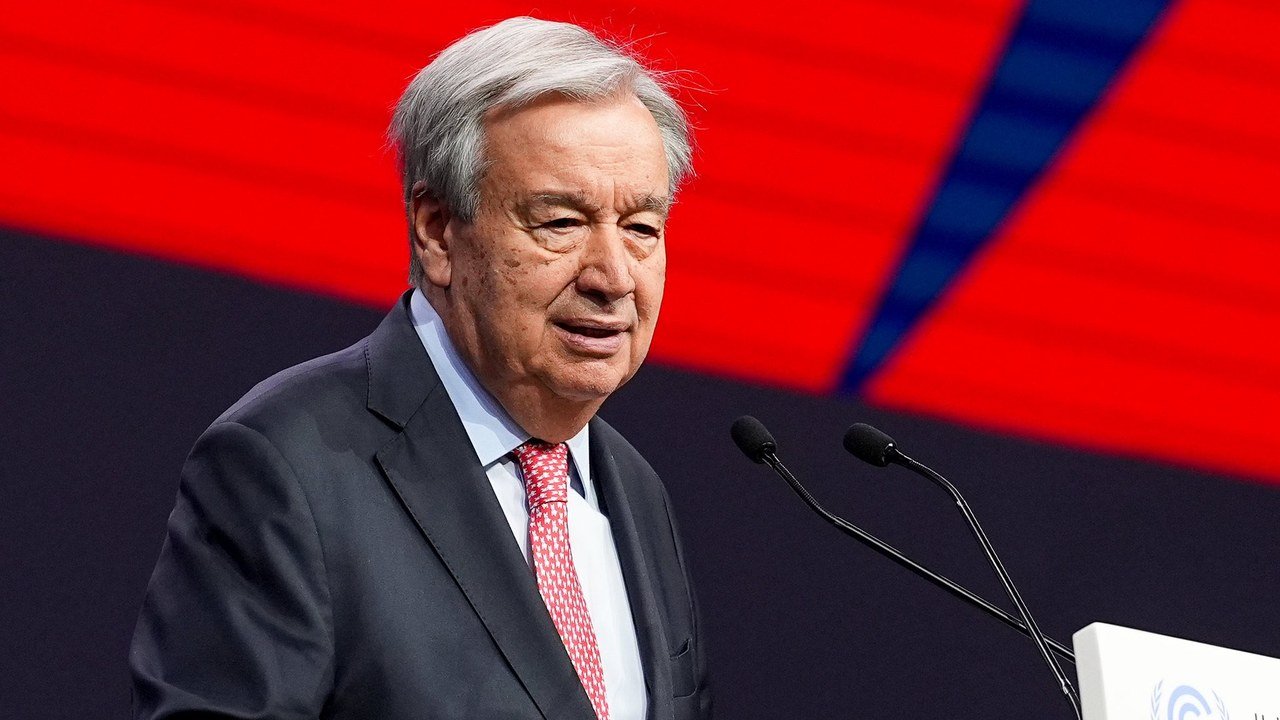
Guterres gave the summit’s sharpest warning. “The brutal truth is that the climate crisis is outrunning us. This is the path to mutually assured destruction,” he said, according to Reuters. TRT World reports that he called for “a new Climate Justice Compact, based on shared responsibility, shared security and shared benefits,” asked developed countries for at least $300 billion a year by 2035, urged a tax on oil companies’ windfall profits, and said global renewable capacity must triple from 2025 levels by 2035 while unabated coal power falls by at least 75 percent. On electricity itself, a quote card posted by @turkiyecop31 attributes these words to him: “Last year, solar power alone met nearly three quarters of the growth in global electricity demand.” ABC News reports that he asked Türkiye and Australia to carry forward work on a roadmap away from fossil fuels, and that Brazil has presented its own roadmap to this year’s meeting.
Other leaders pressed different themes. Turkish President Recep Tayyip Erdogan said, “Wars, crises, migration, famine and poverty increase the need for international solidarity each day,” according to Reuters, which also reports that he and Brazil’s president told the conference that wars and trade disputes should not distract from climate action. Brazil’s President Luiz Inacio Lula da Silva told the summit, “We started talking more about weapons and tariffs than the survival of future generations,” Reuters reports, and AFP posted on X that he said global warming “has disappeared” from the world agenda. Former French Prime Minister Laurent Fabius told Reuters that “the key word in Antalya is implementation.” Mohamed Adow of the think tank Power Shift Africa told Reuters, “The world’s biggest economies should be leading the response to the climate crisis, not leaving it to others.”
Several questions remain open. The desk read the Presidency release and press accounts but not the draft pledge text itself, so the exact clean-power wording rests on ABC’s quotation. An Anadolu Agency post on X says China’s vice president, Han Zheng, told Guterres that China aims for a 35% electricity share in final energy use by 2030; the desk found no second source for that figure. COP31 runs through Nov. 20, according to Anadolu Agency, and the Presidency lists finance and industry among the themes still to come, so the final text could shift before the conference closes.