France’s government made its first material offer to striking high-school students this week, and the students answered that it falls short. Education Minister Édouard Geffray said in a televised interview on Thursday evening, October 8, that roughly 3,000 supply teachers would go to the schools “facing the most serious problems in the coming hours,” RFI reports. BBC News correspondent Hugh Schofield calls it “the first material concession” of a movement now close to three weeks old. On Friday, Geffray added a reform of student representation, including more pupil seats on the National Education Council, a third of elected pupil seats reserved for vocational students, and dedicated funding for projects backed by student bodies, according to RFI.
The protests began on September 17, when pupils at the Saint-Exupéry lycée in Créteil, southeast of Paris, joined striking teachers to demand more staff and resources, RFI reports, and spread across the Île-de-France region and then nationwide by late September. France 24, citing AFP, says the students, most of them 15 to 18, complain of absent teachers, overloaded timetables, run-down classrooms, and buildings that cannot cope with rising temperatures. Some unions also want Parcoursup, the national university-admissions platform, scrapped, RFI reports.
The scale of Thursday’s march, billed by organizers as the fourth “act” of the movement, depends on who counts. The Interior Ministry put turnout at 71,500 across France, including 24,500 in Paris, while the left-wing CGT union claimed more than 130,000, according to RFI; the BBC rounds the official figures to 71,000 and 24,000. Police arrested 504 people on Thursday, and the ministry reported nearly 50 police officers and gendarmes injured, RFI says; a France 24 live blog gives 48 injured officers.
Arrest totals have climbed steeply. The Justice Ministry counts 6,877 arrests since mid-September, 86% of them minors, RFI and the BBC report. France 24, citing AFP, says police have used tear gas, batons, and blast balls, that rights groups and students accuse officers of disproportionate force, and that police have opened 18 internal investigations. After a 15-year-old lost a hand on Monday when police fired a stun grenade, the government suspended use of that weapon, France 24 reports. A government source told journalists that most injured students hurt themselves accidentally rather than through police action, according to the same outlet; this desk could not test that claim.
Outside observers have weighed in. Shabia Mantoo, a spokesperson for the UN human rights office, said the agency follows “with concern incidents related to the student protests and high school blockades in France, some of which have turned violent,” France 24 reports, and the UN urged all sides to stay peaceful. The BBC reports that a lycée in Bordeaux suffered ransacking and that someone beat a deputy head teacher in Marseille. A government source put damage costs at “at least 30 million euros,” per France 24.
The numbers on the ground seem to shrink. The Education Ministry said 141 of France’s roughly 3,700 high schools stayed closed on Friday morning, down from 157 on Thursday, RFI reports; France 24 notes that about 800 schools closed a week earlier. The BBC counts some 140 lycées out of 3,500 totally or partially closed. Officials describe a “marked slowdown,” according to France 24, yet blockades resumed on Friday at sites including the École du Louvre and Paris-Panthéon-Assas University, RFI reports.
Student leaders call the offer thin. Marius Mesnil, co-secretary general of the high-school union USL, called the extra teachers the “bare minimum” in remarks to FranceInfo radio, RFI reports, and said students get “a few crumbs,” according to France 24. Louis Letoublon of the group Lycéens! said the minister satisfied students on “just one issue – student representation in school governance,” according to RFI. The Union Étudiante, which the BBC describes as close to Jean-Luc Mélenchon’s France Unbowed party, says the action continues until the government puts €10 billion on the table. Accounts of where the teachers go differ: France 24 says 114 of the worst-affected schools, while the BBC says about 500 lycées identified as most in need.
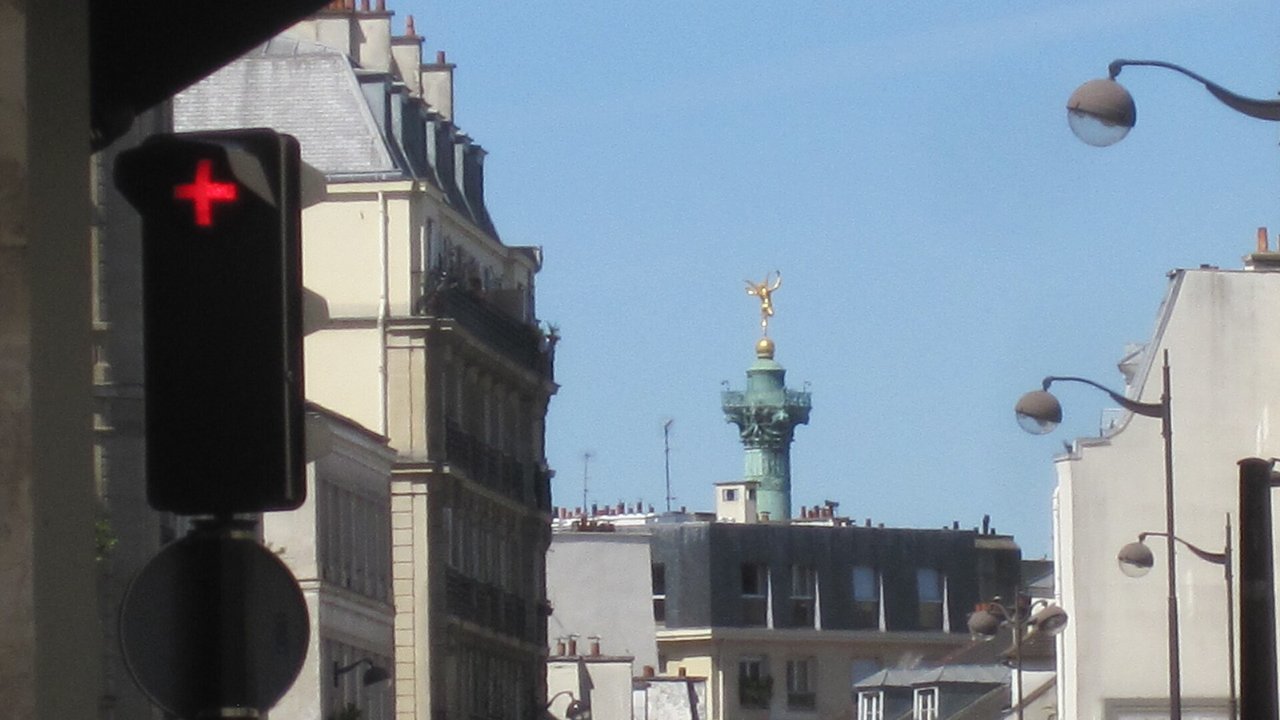
Politics frames the fight on both flanks. Mélenchon wrote on X that the students had “retaken the Bastille,” the BBC reports, while National Rally spokesman Laurent Jacobelli said the concessions tell protesters, “if you break things, you get given stuff.” Prime Minister Sébastien Lecornu has promised a plan by the end of October, France 24 reports, and Economy Minister Roland Lescure said the tight 2027 budget leaves some room for school resources. The draft budget already raises education spending 1.4% to €90.9 billion, the second-largest increase after defense, according to France 24.
Open questions this desk will watch: turnout on Tuesday, October 13; Monday’s talks between student representatives and ministers on university admissions, which RFI reports; whether the supply teachers actually arrive; the outcome of the 18 police investigations; and whether the revived “yellow vest” protests, which the BBC says organizers have earmarked for Saturday, October 17, merge with the student movement before half-term holidays.
