Russia seems to have kept striking Ukraine’s energy system in the hours after US President Donald Trump declared an “energy ceasefire” between the two countries, according to Ukrainian President Volodymyr Zelensky. Zelensky said Russia hit six energy facilities and that 33 people suffered injuries in those strikes, the BBC reports, and CBC News says he made the same six-site, 33-wounded claim in a social media post on Monday, October 12. He told Fox News: “We did not attack, while Russia attacked our gas stations, energy infrastructure, and other facilities,” the BBC reports; NPR carries the same words as a post on X. “I think it was Putin’s answer to President Trump,” he added, the BBC and NPR report.
Trump’s brief Sunday post said the ceasefire took effect immediately and added: “Do not break it!” CBC News and NPR report. NPR says he offered no details about the arrangement. CBC News and ABC News (Australia) note that Trump made a similar claim on September 14 that both countries had agreed “not to hit” each other’s energy infrastructure, and that nothing came of it. Asked about the truce on Monday, Trump said the two sides agreed “because I said you agree,” adding that the war “has to get settled,” the BBC reports.
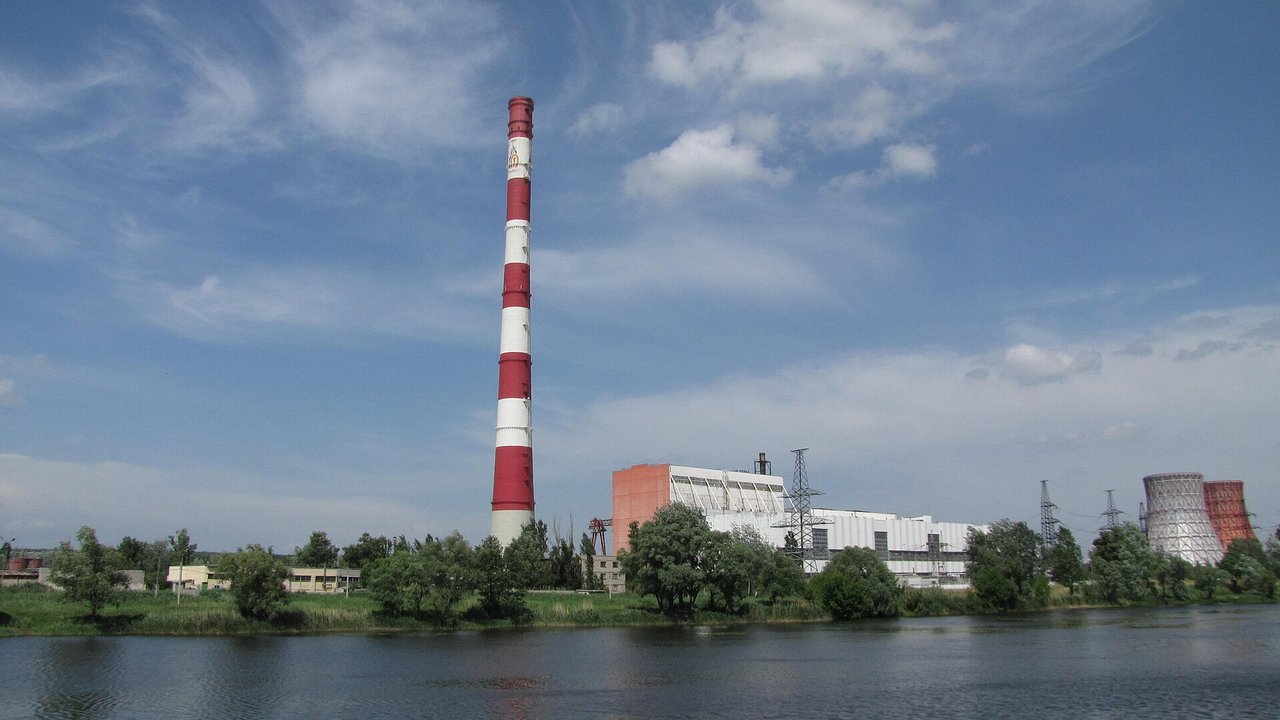
Zelensky’s account of the strikes varies in detail by outlet. NPR, citing Zelensky, says a jet-powered Iranian “shahed” drone fired from Russia struck a gas production facility around midnight, while other drones hit at least five more energy-related targets. Naftogaz, Ukraine’s state oil and gas company, said Russia attacked its gas production facilities in the Kharkiv region overnight and caused a fire, CBC News reports, and acting chief executive Sergii Fedorenko wrote on Telegram that “The attack damaged critical equipment.” Reuters reports that Zelensky’s violation charge followed a strike on a thermal power plant in Kharkiv. A Kharkiv witness, Nataliia Minka, told Reuters: “Ten minutes had passed since they promised they wouldn’t target energy facilities, and there have already been five strikes. My child and I saw a missile hit Thermal Power Plant No. 5 and watched it burn there. It’s horrific.” This desk could not independently confirm the number or the timing of the strikes.
Casualty and outage reports come from Ukrainian officials and vary by place and time. Russian attacks killed six people in two cities on Sunday, Ukrainian officials said, Reuters reports. A Russian drone attack on the village of Pisochyn in the Kharkiv district on Sunday evening killed three people and injured nine, according to the Kharkiv Regional Prosecutor’s Office, CBC News reports. Kharkiv mayor Ihor Terekhov said at least 12 people suffered wounds in several Russian attacks on the city on Monday morning, Reuters reports; ABC News (Australia) attributes the same figure to local officials. Ukrenergo reported “new power cuts” in Kharkiv, Donetsk and Zaporizhzhia and introduced electricity rationing in parts of the country, the BBC says, and state news agency Ukrinform reported blackouts in Izyum, according to the BBC. In Kyiv, the city’s military administration said two people suffered injuries in daytime strikes on Monday, CBC News reports; on Monday evening, mayor Vitali Klitschko posted on Telegram that a drone hit a 25-story residential building in the Darnytskyi district, with one person dead and 11 injured, the BBC reports. Ukraine’s air force said it shot down or suppressed 89 of 121 Russian drones overnight, in an attack that also involved one Kh-59 guided air-to-surface missile, CBC News reports.
None of the outlets this desk read quotes Moscow confirming the truce in plain terms. The Kremlin said on Monday that contacts continued about the possible energy ceasefire, and spokesperson Dmitry Peskov declined to say whether it would cover only oil refineries, CBC News reports. Peskov also rejected a separate 60-day ceasefire idea that Zelensky floated for elections, saying, according to CBC News: “In the Kremlin, both President Putin and officials at other levels have repeatedly stated that we do not want a ceasefire.” Foreign Minister Sergei Lavrov said Ukraine does not deserve the “respite” a ceasefire would bring, the BBC reports; NPR quotes him: “I do not think [Zelenskyy] deserves a respite.” The Russian Defence Ministry said its air defences intercepted 151 Ukrainian drones overnight over Russian regions, annexed Crimea and the Black Sea, CBC News reports. An earlier Reuters report said Russia had yet to comment.
Zelensky said Ukraine carried out no attacks on Russian refineries overnight, Reuters reports, and offered a conditional deal at the Warsaw forum. “We are ready to respect an energy ceasefire if Russia is ready to do the same. We agree, if they agree,” he said, ABC News (Australia) reports, adding: “If Russia wants us to stop our long-range strikes against its oil refineries and oil exports, then Russia must stop its strikes against our energy system and critical infrastructure, and stop killing our people. This is only fair.” He also said: “This energy ceasefire, it can work, and it can become a major step toward ending the war if the Americans truly step in now and make sure Russians respect it,” Reuters and CBC News report. NPR notes that Ukraine, while saying it respected the call, struck large data centers inside Russia run by Yandex, causing outages in parts of Russia.
European officials voiced doubt. EU foreign policy chief Kaja Kallas told foreign ministers in Luxembourg: “We haven’t yet seen that also Russia will stick to it,” the BBC, CBC News and ABC News (Australia) report. French President Emmanuel Macron said he had seen no sign in the past 48 hours of Russia respecting any energy ceasefire, Reuters reports, and Estonia’s foreign minister called the ceasefire “not working,” the BBC says. EU ministers adopted nearly 1,600 new sanctions listings aimed at Russia’s military-industrial complex, Kallas said, according to Reuters. A person familiar with the situation told Reuters that the US had threatened to cut off intelligence sharing and weapons under the PURL system to pressure Kyiv; this desk could not confirm that claim, and Reuters names no US official on the record. The BBC and Reuters link the push for a truce to high fuel prices ahead of the US midterm elections and to Trump’s new deal to import Russian diesel.
