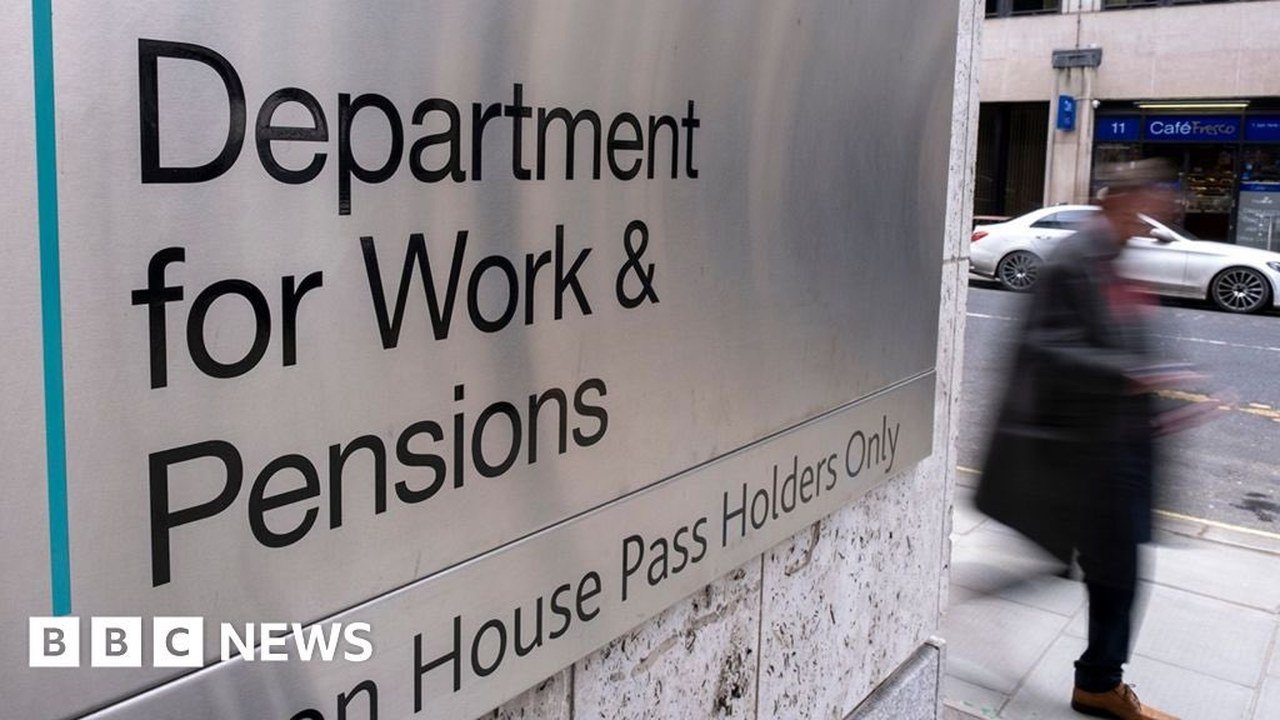
People in the UK who rely on state benefits and pensions still could not use the government’s main online services on Saturday, after the Department for Work and Pensions shut down public portals late Thursday following what it calls a cyber incident, according to the BBC and The Independent (BBC News; The Independent). The Independent says “millions of claimants” lost online access to accounts and applications, and BBC Radio 4’s Today program puts it as millions of people still without online access (@BBCr4today). The Independent, in a report published at 12:07 p.m. UK time Saturday, says the state pension, Universal Credit and PIP portals “appear to still be unavailable late on Saturday morning.” PIP, or Personal Independence Payment, supports people with long-term illness or disability.
The department acknowledged the problem publicly on Friday, UK time. “We have taken some services offline as a precaution following a cyber incident,” McFadden wrote on X, adding, “I want to reassure people that regular benefit and pension payments are unaffected and customers do not need to take action” (@patmcfaddenmp). The BBC reported the shutdown early Friday, UK time (@BBCNews).
Northern Ireland’s Department for Communities, which uses the same DWP systems, gives the most precise timeline so far: “On Thursday 26 November, DWP’s cyber teams identified suspicious activity and immediately implemented well-rehearsed incident response which included taking some services offline as a precautionary measure,” it says (Department for Communities). It lists Tell Us Once, Universal Credit and the Pension Credit Calculator among the services taken down, and says online benefit and child maintenance services for Northern Ireland residents also went offline. The BBC adds that the Tell Us Once system for registering deaths and the online portals for PIP applications felt the impact (BBC News).
Accounts of the scale differ. The DWP speaks of “some” services (GOV.UK). The Guardian’s headline says the incident knocked “almost all pensions and benefits systems offline,” and its reporters write that anyone trying to check a state pension, apply for disability benefits or claim Universal Credit on Friday could not do so (The Guardian). The Guardian also reports, citing DWP insiders, that internal DWP systems came back on Friday so officials could resume work, while the public-facing portal stayed offline.
The DWP has not specified what triggered the shutdown, the BBC reports. McFadden called it a “serious cyber incident” on Friday without further detail, while the department described the shutdown as a “precaution,” according to the BBC (BBC News). The BBC says the government’s work with GCHQ’s National Cyber Security Centre “indicates a hack has not been ruled out.” The Guardian similarly says the cause “is not publicly known” and that the centre’s involvement points to a suspicion of malicious activity (The Guardian).
Outside experts went further. Knott, who led the government’s technology team until December 2025, told BBC Newsnight, “My strong suspicion is this is an attack,” The Independent reports, adding that he said the government had “taken down some of the citizen-facing services, which implies to me that there’s some kind of attack could be mounted through the front door” (The Independent; @BBCNewsnight). John Curry, a cybersecurity expert at Bath Spa University, told BBC News the DWP had “almost certainly” detected hacking activity and shut its systems to stop data theft; if hackers got inside, he said, the “best thing to do is slam the front door shut” (BBC News). Officials have confirmed neither view, and this desk found no official statement naming an attacker.
Videos from X: Sky News with Work and Pensions Secretary Pat McFadden, BBC Newsnight with former government technology chief David Knott, and BBC Radio 4’s Today program on Saturday. Claims in each post belong to the poster. Seems News has not independently verified the posts and did not edit them.
View the @SkyNews post on X
View the @BBCNewsnight post on X
View the @BBCr4today post on X
The DWP makes around 2.5 million payments every day, the BBC reports, and the department says regular payments continue (BBC News; GOV.UK). Some claimants have reported delays, according to the BBC, which adds that the department understands those delays to have no link to the cyber incident. A DWP spokesperson told the BBC, “Anyone experiencing delays or other issues with payments should call our helplines in the usual way.” The Guardian, citing DWP insiders, reports a possible backlog of manual payments “running into tens of thousands” due early next week, for processing over the weekend (The Guardian).
Claimants described the disruption in accounts the Guardian reports. One mother of two young children told BBC Radio 4, as the Guardian relays it, that she normally receives Universal Credit on the 27th of each month and had to dip into savings: “My weekly shop is on a Sunday so I am having to go into Christmas savings,” she said (The Guardian). Sarah Merritt, 23, told the Guardian her JobCentre appointment got cancelled, and that she “had to walk there and back in the rain for no reason.” The DWP has warned people to watch for scams tied to the outage and says it will never message anyone asking for bank details or to click on links (The Guardian).
Lawmakers from both main parties pressed the government. Dame Chi Onwurah, the Labour MP who chairs the Commons Science and Technology Committee, called the incident a “wake-up call,” saying, “People rely on these systems for some of the most essential services the state provides” (BBC News; The Guardian). Conservative shadow AI minister Ben Spencer called it “deeply concerning,” according to both outlets. Matthew Gould, a former Cabinet Office head of cyber security, told the BBC that “there are hundreds and hundreds of legacy systems” that rely on “very old infrastructure” (BBC News; @BBCr4today).
The PCS union, which represents some DWP civil servants, criticized IT investment and said the department had opened a voluntary redundancy scheme in its technology division days before the incident, the BBC reports; the BBC says it asked the DWP for comment (BBC News). The government pointed on Friday to a £210m cyber action plan as evidence of investment in cyber security, according to the BBC. The Independent reports that the UK’s data protection watchdog says it remains in contact with the DWP about the incident (The Independent).
The shutdown follows a run of cyber incidents in Britain and Europe. The Independent cites unauthorized data access disclosed by the retailers Next and Asos in recent weeks, and, earlier this month, UK meat suppliers who said their fridges heated up overnight in hacks of software used by supermarkets across Europe (The Independent). The Guardian notes that the government warned days earlier of a higher risk of Russian sabotage in the UK, and that at a Work and Pensions Committee hearing this month, the DWP’s permanent secretary, Sarah Healey, faced a question about who would ensure its systems would “not be the frontline in some sort of hybrid warfare from the Kremlin” (The Guardian). Neither outlet reports any evidence tying the DWP incident to Russia or to those earlier attacks.
This desk read the BBC (Saturday update), The Independent (Saturday), the Guardian (Friday) and the official DWP and Northern Ireland Department for Communities statements. As of the latest of those reports, no restoration time had appeared in them. The Guardian page refused this desk’s direct download, so this desk read it through a web reader. This desk did not test the DWP portals itself.