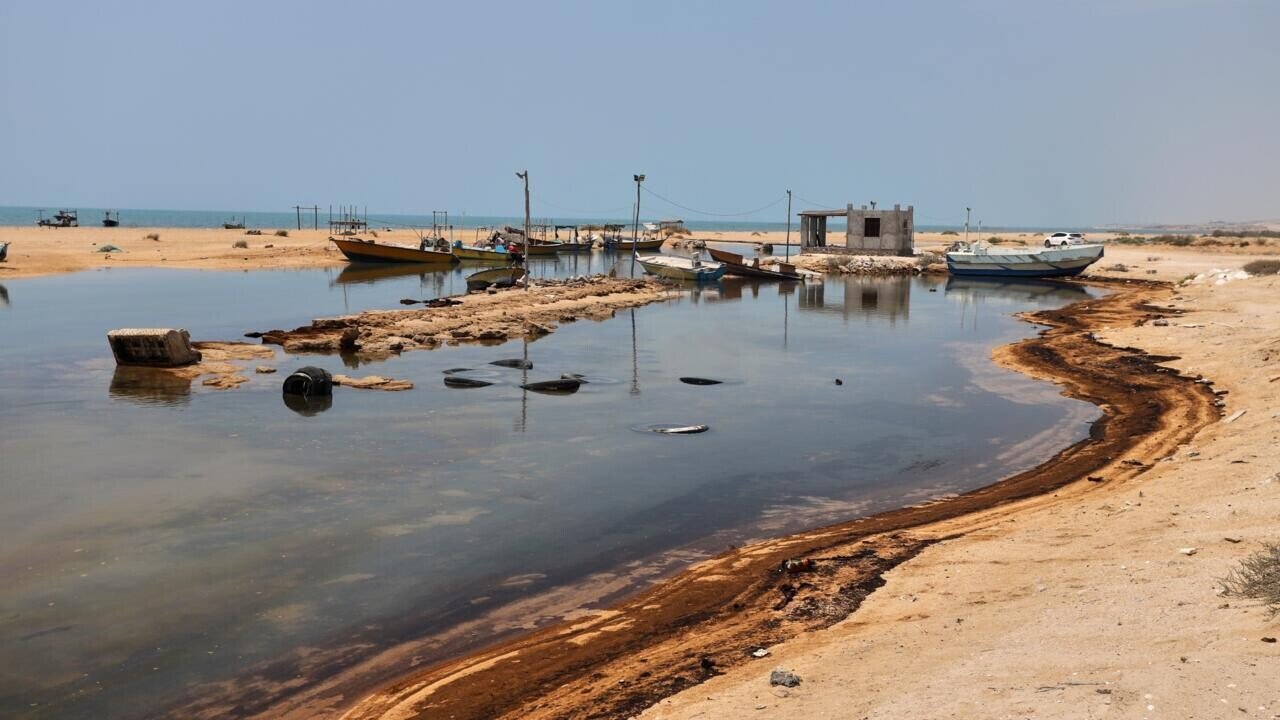
The United States struck targets on Iran’s Qeshm Island, at the mouth of the Strait of Hormuz, late on Monday, Nov. 2, US officials told several American news outlets. Two US officials told NBC News that the limited strikes did not mark a resumption of major combat operations in Iran, and described them as self-defense against Iran’s ongoing efforts to target shipping and US assets. Three US officials confirmed the strikes to CBS News, the network posted on X at 7:15 p.m. PT Monday, and a senior official said the strikes targeted Qeshm after the IRGC fired at a US aircraft. The Wall Street Journal first reported the strikes, according to the Guardian and CBS News.
US officials offered a specific trigger. Iran tried to target a US aircraft again, prompting the US strike on Qeshm “to take out the launcher,” one official told NBC News, calling it part of ongoing operations. The same official said the IRGC has routinely shot at US manned and unmanned aircraft over the strait in recent weeks, and that US forces occasionally strike Iranian missile launchers in self-defense when that happens. A third official told NBC: “This was a defensive measure for Iranians using surface-to-air missiles against U.S. assets.” The Associated Press quoted similar wording from an unnamed official, according to Al Jazeera.
Iran’s side of the night came through state media. Iranian state media reported that five explosions sounded on Qeshm on Monday, according to NBC News, and the state news agency IRNA said the blasts came in rapid succession, with witnesses telling the agency they saw two planes over the island, according to Al Jazeera. Local outlets described the cause as unclear, according to the Guardian. The IRGC did not comment on the strikes but said its forces shot down two US MQM-170 drones south of the island and a US MQ-9 drone east of the Strait of Hormuz, according to the BBC. Iran’s state broadcaster Press TV posted on X at 7:01 p.m. PT Monday that the IRGC “grounds two more US MQM-170 drones over Qeshm” and destroyed what it called the 55th MQ-9. This desk found no independent confirmation of the drone claims.
Watch: explosions reported on Qeshm Island, posted on X
If an embed does not load, it shows as a plain link to the original post.
View the @AJEnglish post on X
View the @etribune post on X
Qeshm carries strategic weight. The island hosts a large underground missile facility, a naval base and a major desalination plant, according to The Wall Street Journal as cited by RFE/RL. The island has served in the past as a launch point for attacks on shipping in the waterway, according to the Guardian, and analysts describe it as the primary platform for Iran’s “asymmetric” naval power, according to Al Jazeera. Al Jazeera called Monday’s strike the first US attack on Qeshm since June, and reported that a US strike on the island’s desalination plant on March 7 cut off fresh water to 30 surrounding villages.
The strikes did not arrive in isolation, according to the Journal’s reporting as relayed by other outlets. The Wall Street Journal described the Qeshm attack as part of a series of smaller strikes in recent weeks that the administration kept quiet so as not to signal an intent to resume the military campaign, according to the Guardian. RFE/RL listed earlier limited US actions, including strikes on missile-launch sites, an attack on a dhow several days ago, and a strike on a commercial vessel that tried to break the US blockade of Iranian trade. NBC, by contrast, reported that the administration “was last known to have carried out some attacks in early September,” while thousands of US troops remain off Iran to enforce a naval blockade and a third aircraft carrier heads to the region, according to NBC News.
The timing put the strikes beside the US election and a run of hopeful talk from Washington. Hours earlier on Monday, Vance told reporters: “The president and I both feel pretty good about the prospects for potentially coming to a negotiated settlement,” adding, “We’ve certainly made some progress. We’ll see if we can make some more,” according to the Guardian. Asked Monday whether he had considered resuming strikes on Iran after Tuesday’s midterm elections, Trump replied “no,” the Guardian reported. He told Axios, “One way or the other, we will do something, but there is no rush,” according to the BBC. In a Fox News interview, Trump said the US “might need to go after Pickaxe [Mountain],” an underground site linked to Iran’s nuclear program, and called that “not a big deal,” the BBC reported. NBC News noted that Trump had said the US would not launch strikes on Iran before the midterms, and that the war and its effect on gasoline prices have weighed on Republicans trying to keep control of Congress, according to NBC News.
Diplomacy continued on Tuesday. Iran’s chief negotiator, parliament speaker Mohammad Bagher Ghalibaf, said in a televised speech: “The ball is now in America’s court to prevent war,” according to the BBC. Qatar’s foreign ministry spokesman, Majed al-Ansari, told reporters in Doha that both sides “remain committed to the negotiation process” and that Qatar remained “hopeful that there is still a chance for a deal,” working “towards an interim deal,” according to CBS News. Last week, Iranian negotiators discussed a proposal to reopen the Strait of Hormuz within two days once the US met seven conditions, reportedly including lifting the naval blockade of Iranian ports and releasing frozen Iranian assets, according to the BBC. Iranian President Masoud Pezeshkian said Supreme Leader Mojtaba Khamenei had given the government “certain authorities” over talks with the US, local media reported, according to Al Jazeera.
Pressure for more force also surfaced. Israeli Prime Minister Benjamin Netanyahu pushed Trump during a weekend phone call for another wave of strikes after the midterms, according to two regional officials cited by the Associated Press, as reported by the BBC. Other US allies in the region warned that more strikes could destabilize the region and could lead Yemen’s Houthi rebels to step up attacks on Saudi Arabia and Red Sea shipping, a third regional official told the AP, according to CBS News. Analysts who spoke to RFE/RL read the Qeshm strike as a contained move. “The US is aiming to degrade Iranian capabilities to threaten the Strait of Hormuz,” said Jason Brodsky of United Against Nuclear Iran. Gregory Brew of Eurasia Group said: “The reluctance to advertise these strikes suggests the US is wary of signaling a desire to escalate.”
Shipping and markets felt the tension. On Tuesday, India’s government said an “unidentified aerial object” struck an India-flagged vessel off Oman, and Shipping Minister Sarbananda Sonowal said the MSV Al Jusufi carried 14 Indian seafarers, of whom one, Gandhar Nahim Ajij of Gujarat, died of his injuries while Oman’s coast guard rescued the other 13, according to CBS News; no report this desk read tied that attack to the Qeshm strikes. Brent crude fell 7.4% to $105.03 a barrel on Monday on hopes of a deal, according to CBS News live coverage, and oil prices rebounded on Tuesday after the strike reports, Reuters said on X. For this desk’s earlier coverage of attacks on tankers near Hormuz, see the Oct. 22 report; for Trump’s recent comments on the war, see Every 24 Hours, Oct. 29–30.